Applications of Stainless Steel Anti-Vibration Diaphragms
Stainless steel anti-vibration diaphragms are widely used in industrial systems where stability, corrosion resistance, and vibration mitigation are critical-their structural durability and anti-vibration performance make them suitable for scenarios requiring precise pressure/flow control and long-term reliability. Below are their core application areas:
1. Pressure Measurement & Control Equipment
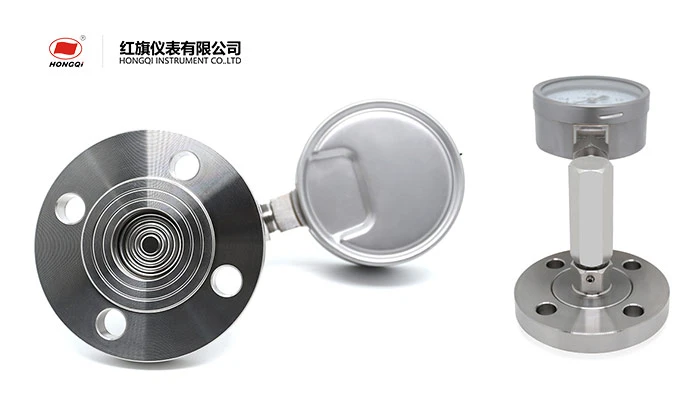
They serve as key components in industrial pressure gauges, pressure transmitters, and pressure switches-especially in high-vibration environments like manufacturing workshops, construction sites, or heavy machinery (e.g., diesel generators, hydraulic presses). The anti-vibration feature ensures accurate pressure readings are not distorted by mechanical shocks, while stainless steel resists oil, coolant, or chemical corrosion.
2. Fluid Handling Systems
In pipelines for water treatment, petroleum, chemical engineering, and food & beverage processing, these diaphragms are used in valves, regulators, and flow meters. They prevent vibration-induced leaks or component wear, and their stainless steel material meets hygiene standards (for food/pharmaceutical use) and resists corrosive fluids (e.g., acids, alkalis, crude oil).
3. Automotive & Transportation Industry
They are applied in automotive engine systems (e.g., fuel pressure regulators), heavy-duty truck braking systems, and marine equipment. In these vibration-intensive environments, the diaphragms maintain stable fluid/air pressure control, avoiding performance failures caused by jolts or engine vibrations-stainless steel also withstands high temperatures under the hood or harsh marine conditions (saltwater corrosion).
4. Aerospace & Aviation Auxiliary Systems
For aircraft hydraulic systems, cabin pressure control devices, or aerospace ground support equipment, the diaphragms' anti-vibration property ensures precision in extreme vibration scenarios (e.g., takeoff, landing). Stainless steel's high strength-to-weight ratio and resistance to extreme temperatures (low-temperature high-altitude or high-temperature engine zones) further extend their usability here.
5. Medical & Pharmaceutical Equipment
In medical devices like hemodialysis machines, respiratory support equipment, or pharmaceutical fluid mixers, the diaphragms provide stable pressure regulation without being affected by minor vibrations from equipment operation. Stainless steel's biocompatibility and easy sterilization (e.g., high-temperature autoclaving) meet strict medical hygiene requirements.
6. Energy & Power Generation
In thermal power plants (boiler pressure systems), wind turbines (hydraulic control units), or solar thermal systems, these diaphragms resist vibration from rotating machinery (turbines, fans) and corrosive media (steam, heat-transfer fluids). Their durability helps reduce maintenance frequency in large-scale power facilities.