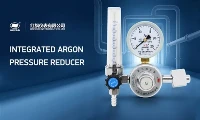
6 Tips to Help You Fit Your Pressure Gauge Perfectly
Install the pressure gauge
6 Tips to Help You Fit Your Pressure Gauge Perfectly
Are your pressure gauges installed correctly? Improper installation of pressure gauges can cause premature gauge failure and prevent you from troubleshooting problems with your equipment or process. Don't let this happen to your factory. The next time you install your meter, use these six tips to properly install your meter.
1. Choose the right meter
Before pulling out the wrench, first, make sure you have the right gauge for your application. The pressure gauge you choose must meet the following requirements:
Expected pressure range to be measured
process medium or fluid
Process temperature
vibration level
Even if you have the meter installed perfectly, if the meter doesn't fit, you may have the same problems as before the installation.
2. Apply force through the wrench flat
After selecting the correct gauge, pay attention to how the gauge is tightened. Do not turn the housing by hand, but apply force through the flats of the wrench. Applying force through the enclosure or junction box may damage the enclosure connections. Insufficient torque application can cause leakage.
3. Come to an agreement
Before sealing, note the thread type on the gauge. If the pressure gauge has parallel threads, seal it with a seal and washer. If the gauge has tapered threads, other sealing methods such as PTFE tape are recommended. This is standard practice for any plumbing installer, as tapered threads by themselves do not provide a complete seal.
4. Use a clamping sleeve or union nut with straight threads
When using tapered threads, the installer can easily adjust the gauge even with sufficient torque applied. This makes it easy to locate the gauge surface. However, when using straight threads, the orientation of the surface cannot be adjusted. Therefore, you should use a clamping sleeve or union nut to attach the meter. These will allow you to properly position the gauge after installing the socket on the seal ring or gasket.
5. Make room for blowouts
For personnel safety, some meters are equipped with blowout preventers. If the gauge reaches the rupture point due to dangerous overpressure, the force of the rupture will go directly through the back of the gauge, not in the direction of anyone standing in front.
For these types of products, it is important that the back of the meter does not become clogged with debris and dirt. Make sure to leave at least 15mm of free space behind the exhaust.
Install the pressure gauge
6. Vent the dash box
Some gauges have a small valve on the housing. Users who do not understand the purpose of the valve will be confused as to why the valve is included. During transport, liquid-filled pressure gauges may experience temperature changes that cause internal pressure to rise. This can cause the gauge needle to deviate from zero. When installing the pressure gauge, open the compensation valve to relieve pressure. It should then be closed again to prevent any external entry. After installing the pressure gauge, set the compensation valve from closed to open.