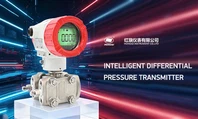
Function
Vacuum Pressure MeasurementCore function: Precisely measures negative pressure (vacuum degree) in closed or semi-closed systems, displaying real-time vacuum values via a pointer or digital display (depending on the type).
Overpressure & Underpressure ProtectionSome models are equipped with built-in limit alarm functions or pressure relief structures to prevent system damage caused by excessive vacuum or sudden positive pressure surges.
Corrosion & Impact ResistanceThe plastic shell (e.g., ABS, PC) provides insulation, corrosion resistance, and light impact resistance, protecting the internal sensor and movement from external environmental damage.
Easy Installation & OperationDesigned with standard thread interfaces (e.g., NPT, BSP) and a compact structure, it supports quick installation on pipelines, tanks, or equipment; the clear dial ensures intuitive reading of vacuum data.

Applications
Household & Small Appliances
Vacuum cleaners, food vacuum sealers, and vacuum packaging machines: Monitor the vacuum degree inside the working chamber to ensure sealing effectiveness.
Refrigeration equipment (e.g., refrigerators, air conditioners): Detect the vacuum state of the refrigerant pipeline during maintenance to prevent air leakage and ensure heat exchange efficiency.
Industrial Manufacturing
Plastic & Rubber Industry: Vacuum forming machines and vacuum calenders: Control the vacuum degree to ensure the shaping quality of products (e.g., plastic parts, rubber sheets).
Pharmaceutical & Food Industry: Vacuum drying ovens, vacuum mixers, and sterile packaging lines: Maintain a vacuum environment to prevent product oxidation, mildew, or bacterial contamination.
Electronics Industry: Semiconductor processing and vacuum coating equipment: Monitor the vacuum level in the production chamber to ensure the stability of the manufacturing process.
Laboratory & Scientific Research
Vacuum pumps, distillation devices, and freeze dryers: Accurately measure and control the vacuum degree in experimental systems to guarantee the repeatability and accuracy of test results.
HVAC & Automotive Systems
HVAC Systems: Central air conditioning and ventilation ducts: Detect vacuum in air handling units to optimize air flow and energy efficiency.
Automotive Industry: Brake booster systems and vacuum-assisted pumps: Monitor the vacuum pressure of the brake system to ensure driving safety (note: industrial-grade models are usually used for testing, not original equipment in vehicles).
Key Advantages for Target Scenarios
The plastic shell design makes it cost-effective, lightweight, and suitable for non-explosive, medium-corrosion environments (e.g., food processing, household appliances, light industry). For high-pressure, high-corrosion, or explosive scenarios, metal-shell vacuum pressure gauges are more commonly used.